
Blog
12 Science-Backed Micro-Habits to Transform Your Life


Introduction
Every January, many of us buy a fresh planner, pick the perfect pen, and write huge goals across the first page. For a few weeks, the energy runs high, then real life steps in, and the color‑coded plans slip away. When we created the idea for 12 Science-Backed Micro-Habits To Reset Your Life in 2026, we wanted a kinder, more realistic path.
Micro-habits are tiny, simple actions done on purpose. They take very little willpower, which means they are much easier to repeat on busy, messy days. Research shows that a new behavior often needs around sixty‑six days to feel automatic, not twenty‑one like the old myth claims, so small and steady wins here — and adopting 12 Science-Backed Healthy Habits can help guide that steady process.
At Perks Media we lean on science and joy at the same time. Instead of asking anyone to overhaul life overnight, we focus on tiny steps across the areas that matter most, like energy, movement, food, brain health, stress, sleep, and connection. In this guide we will walk through twelve research-backed micro-habits and show how a few minutes a day can quietly reshape the year ahead.
Key Takeaways
Micro-habits are tiny, science-backed actions that feel easy to repeat on busy days. They remove the heavy pressure of perfection and the all‑or‑nothing mindset. Over time those tiny steps add up to serious change.
The twelve habits in this guide touch six key areas of well‑being, from morning energy and movement to nutrition, brain health, stress care, and quality sleep. Working in more than one area often creates a ripple effect: energy, mood, and focus start to support one another.
Simple tools such as habit stacking, gentle tracking, and celebrating small wins help new behaviors stick. Perks Media offers books, digital tools, and inspiring content that follow this same micro-action approach. You only need to start with one habit, not all twelve.
“You do not rise to the level of your goals. You fall to the level of your systems.” — James Clear, Atomic Habits
Morning and Daily Energy Habits That Science Says Actually Work

Morning habits are like the first domino of the day. When the first move is steady and kind to the body, everything that follows tends to feel smoother. Two simple micro-habits can reset energy, mood, and focus before the inbox even opens.
Habit One: Drink Water Before Caffeine. While you sleep, your body loses water through breathing and sweating, and that mild dehydration can show up as headaches, sluggish thinking, and dry eyes before breakfast. Drinking a full glass of water right after waking supports every cell, helps digestion start smoothly, and keeps joints more comfortable. Many adults need roughly eleven to fifteen cups of fluid through the day, so this small action gives an easy head start. A quick check of urine color is helpful too, since a pale straw shade usually signals good hydration, while a darker shade means the body wants more water.
A simple way to keep this habit going is to fill a reusable bottle before bed and place it on the nightstand. When the alarm goes off, the bottle is right there waiting. Over a few weeks the brain starts to tie waking up with reaching for water almost without thinking.Habit Two: Get Natural Light Within 30 Minutes of Waking. Light tells the brain that morning has arrived, which sets the body clock and supports the rise and fall of hormones through the day. That strong signal in the morning also sets up deeper, more restful sleep later at night, so this one habit helps both ends of the day. Time outside also supports better attention and lower risk of mood problems according to growing research.
If possible, step outside for five to ten minutes without sunglasses so the light can hit the eyes directly but safely. Many people like to combine this with the water habit by sipping on the porch or taking a very short walk. Those few minutes can feel small, yet they quietly train the body to wake with more steady energy in 2026.
Movement Micro-Habits For a Stronger, Healthier Body
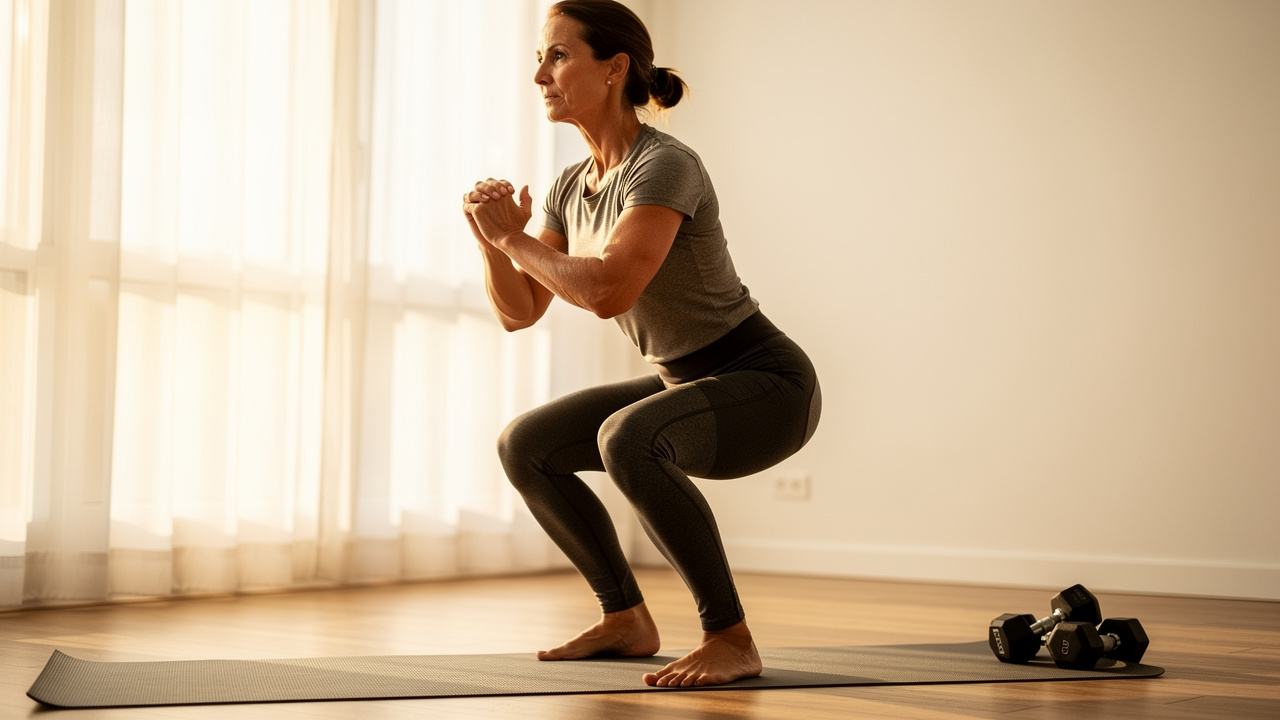
Movement does not have to mean long gym sessions or perfect outfits. Short, scattered bursts of activity through the day can protect the heart, support blood sugar, and steady mood. Research suggests that adults who move often cut the risk of many chronic diseases, and even ten extra minutes of movement a day can save many lives in older adults.
Habit three is to move the body in small bursts, sometimes called workout snacks. Five minutes of simple moves such as squats, marching in place, or brisk stair climbs can raise the heart rate just enough to wake up muscles and mind. When these bursts happen three or four times across the day, they may add up to fifteen or twenty minutes of extra movement without a long workout block. Short walks after meals support digestion and help smooth out blood sugar too, which is especially friendly for anyone watching metabolic health.
Helpful ways to work in these mini-sessions include:
Setting a timer to stand and move for three to five minutes each hour.
Walking during phone calls or meetings when that feels possible.
Doing a quick lap of the house or office after snacks or meals.
Habit four focuses on resistance training to protect muscle and bone. As many women move into their forties and fifties, they lose muscle more quickly and face higher risk of bone thinning. Lifting weights or using bodyweight exercises like squats, wall push-ups, and bicep curls sends a strong message to bones to stay dense and strong. Muscle tissue also burns more calories at rest than fat tissue, which means more muscle can support easier weight management even on rest days.
Starting can be as simple as:
Choosing one or two exercises.
Doing ten slow, careful repetitions with a weight that feels hard by the last few reps while still safe.
Aiming for two or three short sessions a week to begin building strength.
There is no need for fancy gear, only safe form and steady practice.
Habit five is to stretch gently before bed. Many people carry tension in the neck, shoulders, hips, and lower back by the end of the day. Spending five to ten minutes on slow stretches helps the nervous system shift out of stress mode and signals that it is time to wind down. Over weeks this routine supports flexibility, range of motion, and more relaxed sleep, linking directly to the sleep habits shared later in this guide.
Nutrition and Protective Habits That Nourish You From the Inside Out
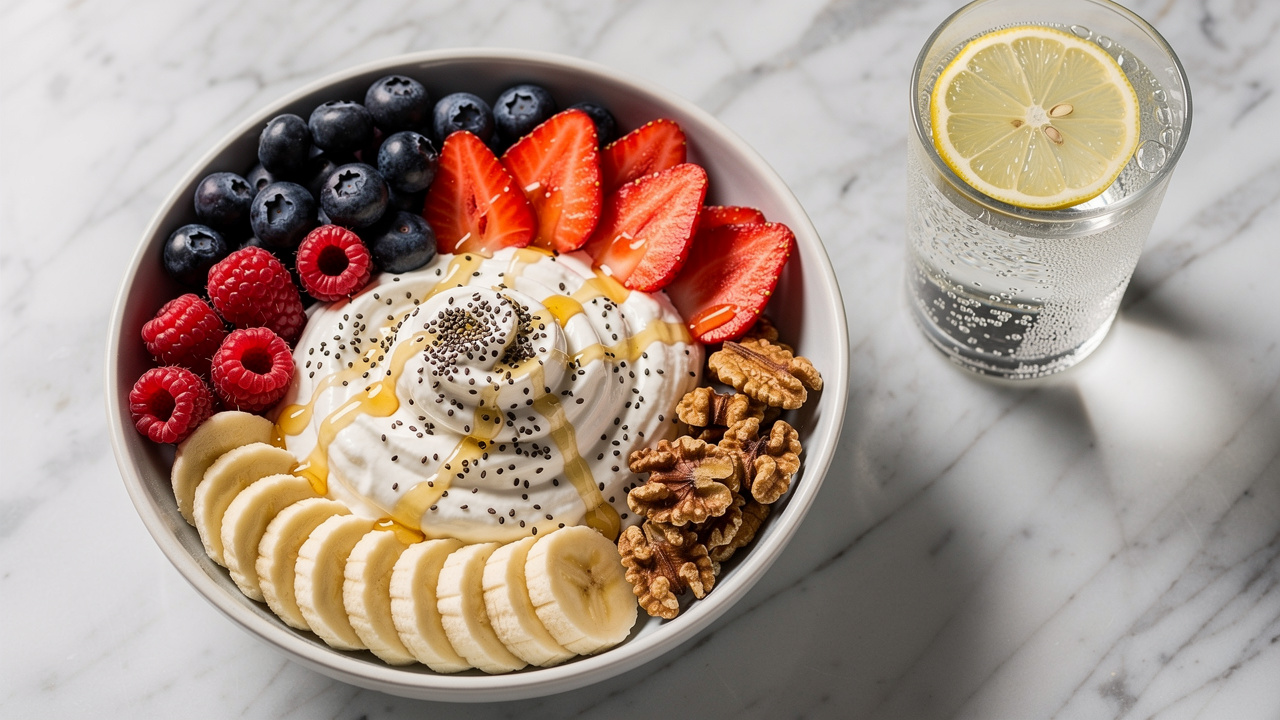
Food choices and protective lifestyle habits quietly shape long‑term health more than almost anything else. Research now shows that poor diet has passed tobacco as a leading cause of early death in the United States, while only about one in ten adults eats enough fruits and vegetables. Micro-habits around food and substances can shift this picture without rigid dieting.
Habit six is to prioritize whole, plant-rich foods. Whole foods are items that look close to how they grow, such as vegetables, fruits, whole grains, beans, nuts, and seeds. These bring fiber, vitamins, minerals, and plant compounds that support heart health, steady blood pressure, and balanced cholesterol. In one study, people with diabetes or prediabetes who moved toward fresh, whole foods saw blood sugar drop by about a quarter in only twelve weeks, which is a powerful change from a simple shift.
Micro-habits make this feel manageable at breakfast and beyond. You might:
Add thirty to forty grams of protein to the first meal to steady energy and hunger through the morning, using foods like Greek yogurt, cottage cheese, or a tofu scramble with veggies.
Sprinkle chia seeds over oatmeal, toss berries into a salad, or add a handful of leafy greens to a smoothie to gently raise fiber.
Swap one sugary drink for sparkling water with lemon, trimming a surprising amount of added sugar over a week.
Habit seven is to reduce alcohol intake. For women, guidance from the CDC suggests no more than one drink per day, and less is often better for sleep, mood, and liver health. Drinking less can lower blood pressure, support better nutrient absorption from food, and leave mornings clearer.
Helpful micro-habits for cutting back include:
Choosing certain weeknights as alcohol-free.
Alternating alcoholic drinks with non-alcoholic options.
Trying drinks that still feel special, such as sparkling water with bitters and lime in a pretty glass.
Habit eight is to quit smoking. Stopping tobacco is one of the strongest health decisions anyone can make and can add up to ten extra years of life. Within one or two years of quitting, the risk of coronary heart disease falls sharply. Around fifteen years out, the risk can look similar to someone who never smoked. Support from tools like nicotine replacement therapy and programs from groups such as the American Lung Association and CDC can double the odds of success. It is wise to be careful with vaping as well since it is addictive and carries its own health concerns.
Brain Health, Social Connection, and Stress Reduction Habits

Healthy brains, warm connections, and calmer nervous systems are just as important as strong muscles or clean lab numbers — a view supported by emerging research on 12 longevity trends that doctors are actively watching in 2026. These areas often get pushed to the side, yet research shows they play a large part in how long and how well we live.
Habit nine is to challenge the mind with new skills and daily reading. The brain keeps forming new connections across the entire lifespan, a feature researchers call plasticity. Learning something that feels a little hard, such as a language, musical instrument, or new craft, helps build a thicker coating around nerve fibers, which speeds up signals in the brain. One study found that older adults who learned several new skills at once improved thinking scores in only fifteen weeks. Reading a physical book for about half an hour a day also lowers stress at a level similar to yoga practice and supports stronger memory as the years go by.
Simple ideas for this habit include:
Studying a new language through an app or class.
Practicing a musical instrument for ten minutes a day.
Keeping a novel or nonfiction book near the bed and reading a few pages each night.
Habit ten is to nurture social connections. People who often spend time with family and friends tend to show slower drops in memory, language, and decision skills. Regular social time also appears to lower levels of an inflammatory protein called IL‑6, which is found in higher amounts in many people with Alzheimer’s disease. On a day‑to‑day level, connection helps ease loneliness, support better sleep, and soften symptoms of depression.
Micro-habits for connection can feel simple and kind:
Calling or messaging one person each week who has been on your mind.
Inviting neighbors for a casual game or movie night.
Chatting with a coworker after a meeting instead of rushing straight back to email.
Habit eleven focuses on mindful stress reduction and a gentle digital detox. When stress runs high, the body releases hormones that raise heart rate, tighten muscles, and drain energy stores. Short daily practices such as five minutes of meditation, slow breathing, or mindful eating pull attention back to the present moment and build a sense of inner steadiness. Time in nature, even a ten‑minute walk in a nearby park, has been linked with better focus, more empathy, and lower mental health risks.
“You can’t stop the waves, but you can learn to surf.” — Jon Kabat‑Zinn
Screens deserve special care here. Heavy screen time is tied to poorer sleep and higher anxiety. Setting small rules, such as keeping the first waking hour or last evening hour free from phones and social media, gives the brain a chance to reset. Many people notice that once the habit is in place they fall asleep more quickly and feel less scattered during the day.
Sleep Optimization and the Science of Making Habits Stick

Sleep is the base layer under almost every other habit in this guide. During deep sleep the brain clears out waste, files new memories, and processes emotions. Adults usually need about seven to nine hours of quality rest for clear thinking, steady mood, and healthy metabolism.
Habit twelve is to prioritize consistent, good sleep. Research links poor sleep with faster brain aging and has tied sleep issues to a significant share of Alzheimer’s cases. Short sleep also disrupts hormones that manage hunger and fullness, which can lead to stronger cravings and weight gain even when food choices do not change much.
Helpful micro-habits for better sleep include:
Going to bed and waking at roughly the same time each day, even on weekends.
Keeping the bedroom cool, dark, and quiet.
Avoiding caffeine later in the afternoon.
Setting a digital curfew one hour before bed, with screens turned off or left in another room to remove a major source of blue light that keeps the brain active.
“The shorter your sleep, the shorter your life.” — Matthew Walker, neuroscientist and sleep researcher
Knowing these twelve habits is only half of the picture, though. The other half is how to make them last. Research on behavior change suggests that small is powerful. Instead of trying to install all twelve habits at once, we can choose one that feels most helpful right now and focus on it for a few weeks. Each time we complete that micro-habit, we can notice the win and let ourselves feel a tiny bit proud, which releases dopamine and makes the behavior more likely to repeat.
Habit stacking helps too. This means tying a new habit to one that already happens without much thought. For example, after brushing teeth at night, a person might do three minutes of stretching, or after pouring morning coffee, they might sit for one minute of slow breathing. A simple checklist or tracking app turns these actions into a satisfying chain on the page.
Perks Media was built around this micro-action style of change. Our books, digital tools, and wellness content give structure, prompts, and beautiful visuals that make daily practice feel lighter and more enjoyable. With the right support, 2026 can be the year small habits line up with how someone truly wants to live.
Conclusion
Lasting life change does not come from huge pushes that fade after a few weeks — as research on Want to live longer? confirms, even the tiniest lifestyle changes can dramatically boost longevity. It grows from small, kind actions repeated on regular days, even when things feel busy or imperfect. The twelve science-backed micro-habits in this guide touch energy, movement, food, brain health, stress, sleep, and connection, and each one can stand alone.
There is no need to start with all of them. Choosing one habit this week, such as morning water, a ten‑minute walk, or a digital curfew, is enough to start a new pattern. Over time those tiny shifts can reshape how the body feels and how the mind moves through each day.
If support feels helpful, we would love to walk beside you. Perks Media offers books, digital tools, and inspiring content that follow the same joy-driven, micro-action approach you just read about. Together we can turn small daily steps into a kinder way of living in 2026 and beyond.
FAQs
What Exactly Is a Micro-Habit, and How Is It Different From a Regular Habit?
We use the term micro-habit for a version of a habit that is intentionally very small and easy to start. It could be one push‑up, one glass of water, or three minutes of stretching. Regular habits are often larger and take more time or energy, while micro-habits are built to remove friction and invite consistency.
How Long Does It Actually Take for a Micro-Habit to Feel Automatic?
The popular idea of twenty‑one days is not what newer research shows. Studies suggest that a behavior often needs about sixty‑six days on average to feel automatic, and some habits take longer or shorter. This is why patience, self-kindness, and tracking progress matter so much.
Can I Really Change My Life With Such Small Actions?
Science points to yes. Small actions that repeat day after day affect sleep, stress, energy, and choices about food and movement, and those areas shape long‑term health. When we add tools like habit stacking and gentle tracking, the impact of tiny steps becomes even stronger over the months.
Where Should I Start If I Want To Try Science-Backed Micro-Habits?
Start with the area that feels most pressing right now, such as low energy, trouble sleeping, or constant stress. Pick just one habit from that section and make it as small as possible so it fits into daily life even on hard days. Our team at Perks Media designs books and digital tools to guide this first step and keep it enjoyable, because joy is the fuel that keeps new habits going.